
Plan a Frozen-Food Purchase for a Car-Free Grocery Trip
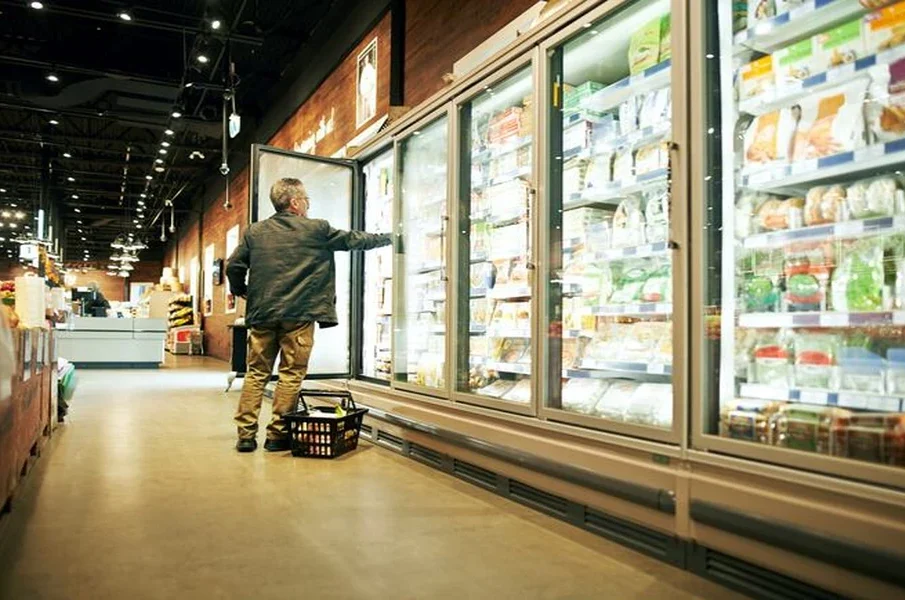
For a grocery trip without a car, decide what you can carry and how the frozen food will remain cold before choosing the purchase. Buy an amount that fits both the journey and the freezer at your destination. A manageable load and a direct plan for getting home matter more than trying to complete every possible grocery need in one outing.
Choose an amount you can carry comfortably
Consider the whole load, including anything you will bring to the store. A backpack, work items, or purchases from another shop reduce the capacity available for groceries. Think about how the bags will be held through the complete journey, including any stairs or transfers that actually form part of your route.
Leave enough freedom to move comfortably. A purchase that requires both hands to remain fully occupied may be awkward if you need to open a door or handle a fare card. Choose bags and an amount you can manage with the ordinary actions the trip requires. The goal is a usable carrying arrangement, not the maximum load you can lift once.
Check freezer space at the destination before shopping. This is especially useful during a stay away from home, when the freezer may be smaller or shared. A frozen purchase needs a suitable place to go after the journey. Do not assume that an unfamiliar kitchen has room simply because it contains a refrigerator.
Choose the meal before the quantity. If you are considering Sizzlin’ Fried Onion, the product is a full-size, plant-based pierogi with potato and onion. Decide how it fits the intended dinner and use the package information at the store to guide the amount you buy. The format does not tell you the bag’s weight or how much space it will occupy.
Be willing to separate shopping into occasions. Buying a manageable frozen item now and leaving bulky household supplies for another trip may suit the route better. Combining everything into one outing is useful only when you can carry and store the resulting purchase comfortably.
Put the frozen purchase near the end of shopping
Organize the grocery visit so the frozen food is collected after items that do not require the same cold conditions. This gives the purchase a clear place in the outing rather than leaving it in the cart while you continue browsing. Have the rest of the list sufficiently settled that the freezer aisle does not become the beginning of another long search.
Keep the chosen filling specific. If potato and onion are the purpose of the trip, look for that product rather than stopping to compare every unrelated frozen meal. A focused choice supports the carrying plan because you know which space in the bag belongs to the item.
If the desired product is missing, decide whether an acceptable alternative is available without expanding the load. A second bag bought to hedge between two uncertain options can undo the planning you did at home. It is reasonable to leave without the frozen item and use another meal plan.
Pack the groceries in a way that protects the frozen purchase and keeps the load stable. A suitable insulated arrangement should be ready before checkout. Avoid discovering at the register that the container you brought is already filled with other items or cannot accommodate the actual package.
Plan for the journey rather than a guessed travel time
Use the route you expect to take, including its possible interruptions. A car-free trip can involve walking, transit, or another arrangement, and the relevant details are specific to you. Do not rely on a generic estimate of how long a Brooklyn grocery journey ought to take.
Decide how you will keep the frozen food cold throughout that route. A shopping bag alone is not a storage plan. Bring suitable cold-transport equipment and go directly to the destination where the food can be put away. If the journey no longer supports that plan, postpone the frozen purchase.
Unexpected changes deserve a practical response. If you learn before shopping that the route will be disrupted or that you must make an additional stop, revise the purchase rather than treating the original list as fixed. The meal can move to another day more easily than the food can be given an improvised storage solution in transit.
When shopping with another person, agree on who carries the frozen item and where you are going afterward. Shared errands can become confusing if one person assumes you will head home while the other expects to browse another store. Settle the route while the groceries are still unpurchased.
Store the food promptly on arrival
Put the frozen groceries into their directed storage before beginning other unpacking tasks. Keep the original package so the filling and cooking instructions remain identifiable. A compact freezer is easier to use when the item has a known position rather than being pushed wherever a temporary gap appears.
For a later trip, Holy Perogy’s Brooklyn page can help identify the intended filling and retailer possibilities before you leave. Confirm the chosen variety with a retailer if the outing depends on it. That advance work lets the carrying and cold-transport plan begin with a specific purchase.
If you are staying in someone else’s home, show them what you bought and where it is stored. They may need access to the same space, and the package should remain recognizable to anyone using the kitchen. Courtesy at the destination is part of making the grocery trip work.
Judge the outing by how comfortably the food reached its place, not by how much you carried. A modest purchase that arrives ready for its planned dinner is a useful model for the next car-free grocery trip.