
A First Float Is Easier When the Instructions Become an Itinerary

First-float guidance can feel like a collection of small rules until it is placed in order. An itinerary turns those rules into a reassuring sequence: prepare at home, arrive with time, review the room, shower, float, shower again, change, and leave without rushing. The goal is not to control every minute. It is to remove enough uncertainty that the guest can pay attention to comfort rather than trying to remember what happens next.
Start the itinerary the day before
Read the facility’s current preparation page once and note any questions. Confirm the location, parking, appointment time, requested arrival margin, cancellation terms, and what the spa provides. Avoid building a packing list from several unrelated float centres; room formats and policies differ. Set out simple clothing and any personal items the facility recommends.
If recent shaving, hair colour, skin irritation, contact lenses, personal-care products, or another practical issue may affect the visit, ask the spa rather than improvising. Medical conditions, pregnancy, recent procedures, mobility concerns, medication, or uncertainty about water-based services deserve relevant professional guidance. A general itinerary cannot determine individual suitability.
Make arrival its own step
Plan to reach the building before the exact start time according to the spa’s instructions. Parking, forms, washroom use, changing, and a first conversation all take time. Put the phone away after using it for directions. The arrival period is there to reduce decision load and give the guest room to hear instructions.
The Azure Aqua Spa first-float guide is the facility-specific reference for a Kitchener-Waterloo visit. Turn each current instruction into an itinerary item instead of memorizing prose. If a booking confirmation differs from the page, ask staff which guidance is current. This small check is especially useful when a website has changed since the appointment was made.
Ask for a room walkthrough
Before the provider leaves, locate lighting and sound controls, the shower, towels, the way to signal or exit, and any item the guest may use during the float. Ask how the session ending is announced and what to do if water reaches the eyes. If darkness or silence feels uncomfortable, confirm which options can remain on. A guest does not have to use the most minimal setting to have a legitimate first experience.
Repeat back the sequence in plain language: shower, enter carefully, choose light or sound, float, respond to the end signal, exit carefully, and shower as directed. The exact steps should follow staff guidance. Repeating them is not fussiness; it reveals any misunderstanding before the guest is alone in the room.
- Where are the controls and which ones may I adjust?
- How will I know the session is ending?
- What should I do if I want to leave early?
- Which shower steps happen before and after?
Let the session be adjustable
A first float is not a challenge to remain perfectly still or achieve a special mental state. The guest may change position, use offered supports, keep a light on, listen to sound if available, or finish early. Comfort and consent remain more important than completing an imagined ideal. Quiet can feel restful, neutral, or unfamiliar; none of those responses is a failure.
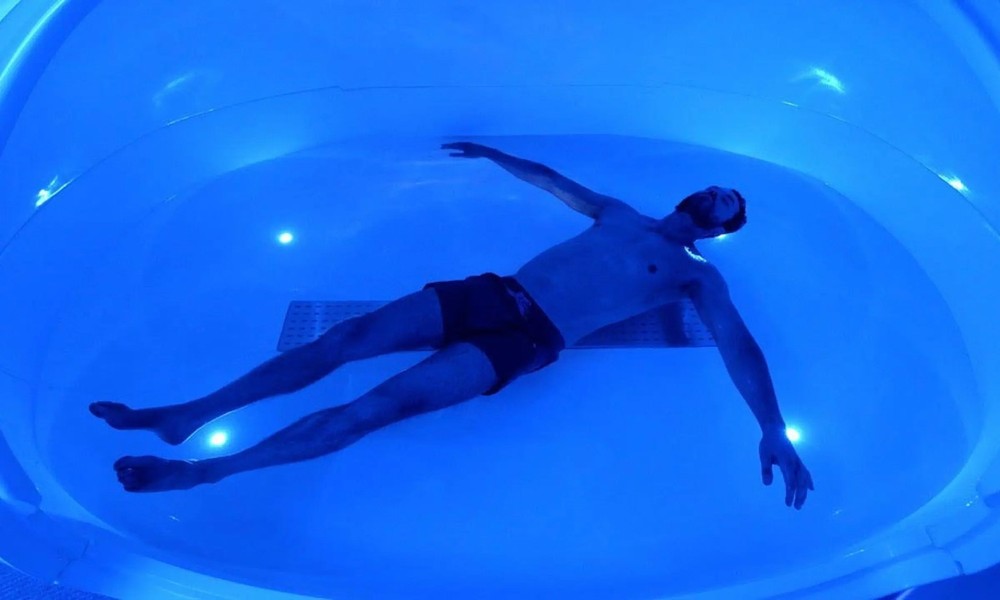
The Azure Aqua Spa float-pool page can help guests picture the current setting before they arrive. It is still worth asking how the specific booked room is configured. Photos and broad descriptions cannot answer every privacy, accessibility, temperature, or control question.
Give departure a generous ending
Include time for the post-float shower, hair and skin care according to facility guidance, changing, collecting belongings, and becoming oriented before driving. Do not place a reservation or meeting immediately after the advertised session end. The outing lasts longer than the float itself, and the final margin protects the calm pace.
Once outside, make a short note: Were the instructions clear? Did the room controls feel sufficient? Was the duration manageable? What would make a second visit easier? Avoid evaluating the session through sweeping health claims. The most useful result is practical knowledge about whether this environment suits the guest.
If travelling with someone who is not floating, agree on a meeting time that includes the post-session shower and changing. The companion should not assume that the advertised finish time is the moment the guest will be outside. A simple message after changing is better than carrying concern about a waiting person into the room. Solo guests can use the same margin to check transit or driving conditions without rushing.
Consider sensory needs during the journey as well. A loud car, crowded café, or complicated errand immediately before the float may be an avoidable source of stimulation for someone choosing the service because they want a quieter interval. The trip home can be simple too. This is personal preference, but naming it prevents the itinerary from undermining its own purpose.
An itinerary does not make floating rigid. It gives structure to the unfamiliar parts so the private part can remain open. It can be saved and adjusted after each visit instead of rebuilt from memory. Keep the final version short enough to read at a glance on the day without added confusion. When preparation, arrival, room controls, and departure are written in order, a first-time guest can move through the visit one clear step at a time.